
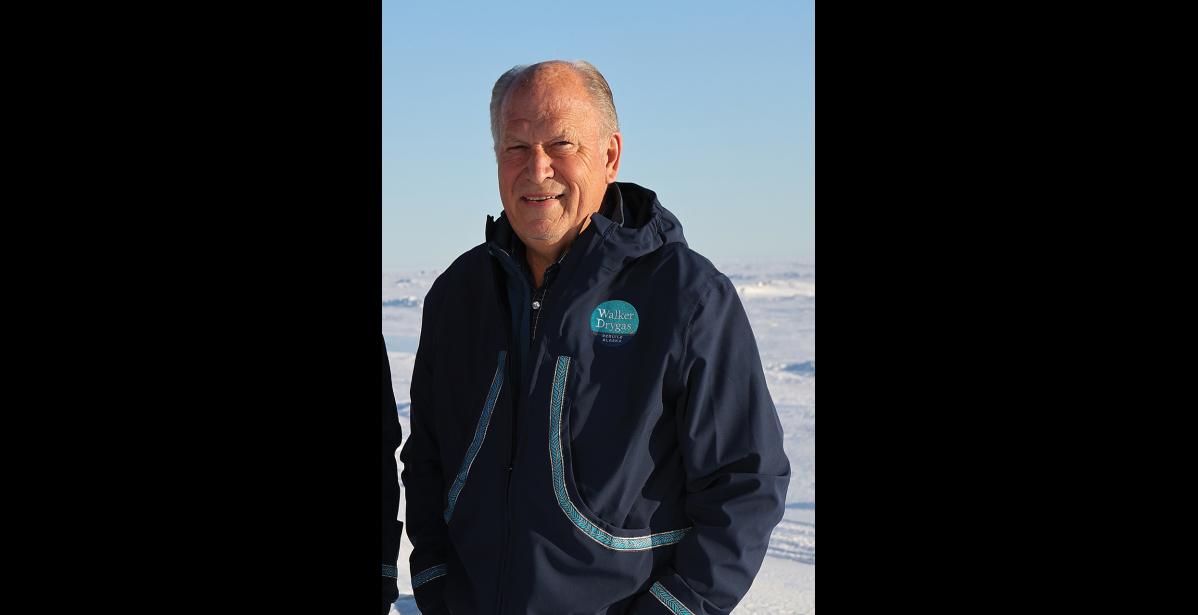
Election Candidate Forum: Governor Candidate Bill Walker
Nome Nugget: What are the most pressing issues the state faces and how do you propose to solve them?
Bill Walker: Throughout the campaign, I have traveled from Nome to Fairbanks to Klawock and countless places in between. I travel often and attend every debate because those closest to the challenges our state faces are also closest to solutions. Here are three pressing issues I hear about all over Alaska:
The economy. Passing a fiscal plan is a top priority because it is the only way to protect essential services. As long as the State doesn’t have a plan to pay its bills, rural education, PCE, and future infrastructure investments will remain under attack by some politicians in Juneau. Another foundational challenge is Alaska's extreme cost of energy. We plan to use some of our royalty oil to set fuel prices at $2 per gallon. This will help every individual, organization, and business in our state.
Education. Mike Dunleavy attacked the university system with a 44 percent cut, reduced K-12 funding until an election year, embraced the worst teacher retirement system in the country, and has done nothing to increase childcare access. I will create the Alaska Education Endowment, modeled after the Permanent Fund, so we invest in education every single year, from pre-K to UA.
Housing. Quality, affordable homes are fundamental to growing the economy. If we want young people to stay in their hometowns, they need places to build a life. We will treat the housing challenges as a statewide issue, hiring an Affordable Housing Coordinator into the Cabinet and declaring a Statewide Emergency on Affordable Housing.
NN: What actions would you support to address the climate crisis and how can the Alaska Governor prepare the state to avoid subsequent natural disasters brought on by flooding, erosion and high winds?
BW: As everyone in your region knows all too well, storms are getting worse and more frequent, coastal erosion is intensifying, warming ocean waters are decimating fish populations, and unpredictable seasons are impacting subsistence practices. Climate change is real. It’s human-caused. Alaska needs to take action today to make sure our communities have the resources they need to survive.
During my first term, I established the Climate Action Leadership Team to bring a series of state-level actions to my desk to help Alaska mitigate and adapt to climate change. Mike Dunleavy ended this important work and scrubbed the team’s report from state websites on his first week in office. I will bring back the 40-plus specific policy recommendations and get to work immediately. I will also stand up a new team of Alaskans from diverse perspectives to provide future advice on what the state needs to do in this area.
Another critical step to address climate change is making sure we have competent leaders in place so we make the most of the historic federal infrastructure investment. The legislation championed by the Alaska Congressional Delegation includes funding for communities impacted by climate change, but we must aggressively seek every available dollar.
Finally, input from local communities on resource development projects is critical. Alaskans closest to proposed developments should be engaged early and often. This is why we will support the restoration of the Coastal Zone Management program, which was instrumental in incorporating public comments into development plans until it was repealed.
NN: Failing salmon returns cause hardship for Alaskans, especially those who live in rural Alaska where subsistence harvests are crucial to the survival of residents. How do you propose to address the failing fish harvests? Do you believe the importance of subsistence in the rural economy is adequately recognized at the state level and if not, how do you propose to address this?
BW: Bycatch is a waste of quality fish and is completely unacceptable. Alaskans feel the very real impacts of salmon, halibut, crab, and herring bycatch – subsistence, commercial, personal use, and sport harvesters are all being harmed. This issue is not being treated with a great enough level of urgency by state policymakers. While it is technically correct that a majority of current major bycatch concerns stem from federally managed fisheries, the State of Alaska should be aggressive in demanding solutions. I will appoint officials who are committed to bycatch solutions, particularly at the Department of Fish and Game. Additionally, I will appoint bycatch-focused Alaska members of the North Pacific Fishery Management Council, where many bycatch allocation decisions are made. I will also pursue policies that encourage full utilization of all target-fish species. We will bring together stakeholders and state and federal managers and partner with Congress to identify and implement policies that will truly value one of our most precious resources here in Alaska – our fish. Finally, my status as a political Independent with deep relationships across the country with Democratic and Republican leaders will also help us confront this challenge. I have known Commerce Secretary Gina Raimondo since she was Governor of Rhode Island. The North Pacific Fishery Management Council is advisory to the Commerce Secretary, and I will make sure policy proposals that are helpful to Alaska fisheries get directly to her desk.