
Itqaummatiga- My Memories
Three miles east of Nome you find a special place called Fort Davis (aka “Fort”). It was there that my family’s Native allotment was located which we grew to love as children.
Like many Nome families, Fort was a location where seasonal and traditional foods such as seal, walrus and fish were processed.
These foods were often stored in Arctic cellars until the first freeze and would be transferred to freezer space in town.
Life in our coastal oasis was peaceful and flourishing; all families attuned to culinary preparations that fed entire families. Whether it was migratory birds, sea mammals, and fresh water or ocean fishes, life seemingly was weaved and focused solely on the bounty from the Bering Sea.
“Let’s see if we see the boat,” my mother Esther would say to her sister Polly, using kinnaugautit.
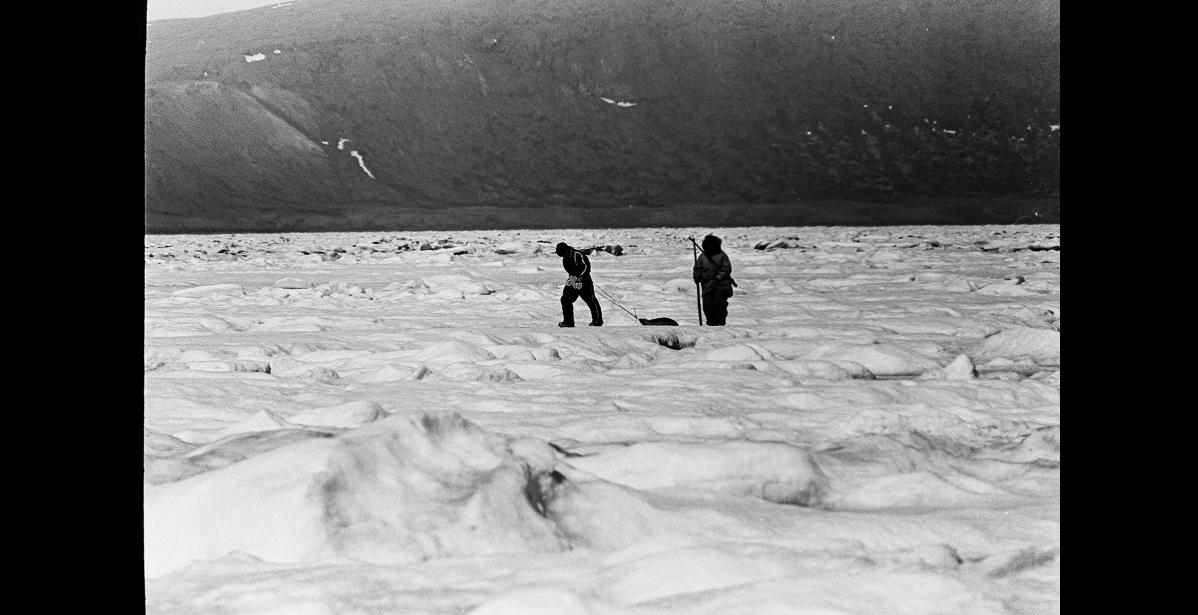
This time of the year, late April and early May, excitement and expectancy would brew as plans were made to venture about the vast sea to hunt seals and/or walruses, especially with my uncle Andrew Koweluk and our aunt’s husband Willie Angnabooguk, cousins Wilson Angnabooguk and Bobby Koweluk and teens, Dewey and Raymond.
By early evening, peering with anticipation, my mom would utter, “I see them. They’re coming back. “Afupaufmaut.” Maneuvering the near-shore ice bergs, the men would tulak, while everyone eagerly waited to see and hear the success of their hunting excursion.
As the adults unloaded the boat, my siblings Mary, Brian, Wilson and I, Dewey and Raymond were “too cool” to play “Not It”, “Red Light, Green Light, or “Mother May I”, we would be back to playing any of those games on the beach, or skipping flat rocks atop the surface of a calm ocean, or simply running around playing “Not It” with the waves.
The aunties and uncles, oblivious to our carefree and playful nature, were busy tending to the catch of seal or walrus, hauling the meat and blubber to berms of snow near the cabin. Butchering and hanging of the meat onto nearby fish racks would commence the next day. Several boxes of “Chevron Oil” wooden grub boxes from the boat would be carried to the cabin along with any fuel jugs that needed to be stored in their proper place. It would be time to rest and rejuvenate until the next day.
“Pilakniafnaziga.” “It’s time to start butchering the catch,” my mom would tell her siblings Andrew and Polly. Grandma Josephine, who was quite elderly, sat outside the cabin listening to the hustle and bustle of the day’s tasks while soaking in the Bering Sea sun. Since I was too young to partake in the processing of meat and blubber, I would happily run about the cabin and ask my cousin Gail Angnabooguk if she wanted to go to the “beach side” and play.
Because it was springtime, many ice bergs would be floating, practically hugging the seashore, and us kids would “ice hop”, taking care not to submerge and get wet. The bergs seemed massively large to us kids and being bounced about with the waves made it so much fun!
As the day progressed, walrus meat could be seen boiling in large stainless-steel pots, cooled and ready to be preserved in seal oil. They would then be placed in the sigluaq. Grandma Josephine would iiyauq, often piercing the meat or skin, for tenderness of skin and meat. If niqsaq were cut, my uncle Andrew would lift the blubber-laden fur on the wooden frame, so my mom could kapsrak. Slabs of oily blubber would be removed and placed into rendering buckets and carried into the dry, cool storage tent next to the cabin. It might be weeks before significant oil amounts of mizzagak would be transferred into larger jars and/or five-gallon buckets which would then be stored in freezers at home or deep down into the family cellar near Sam and Irene Kakik’s cabin.
Vividly, I recall my mom holding the intestines of either walrus or seal while aunt Polly poured clean, river water to rinse out the digested remnants inside the lengthy organ delicacy. They would rinse the innards several times more before cooking them. Once cooked, the intestines would be cooled completely then placed into buckets filled with seal oil and dried seal meat. The same process would take place with walrus intestines; however, the tubes would be stuffed with walrus blubber and then placed into boiling water; cooked and cooled, and placed into seal oil for other meals.
Like many families of Fort Davis, the innitat became filled with long, narrow strips of deep-maroon seal meat, air drying for two to two and a half weeks. I salivate visualizing the crunchy, drying meat hanging from driftwood poles soon to be cut to size with an ulu to fit into large buckets layered with opaque seal oil. Strips of blubber were often layered in between the dried meat. This sustenance would nourish our family over the winter months, lasting until the next year’s hunt.
Spring hunting season was welcomed by the families of Fort Davis who relied on this location for nourishment and veneration. Fort was a safe place for families. Children, like myself, were able to run about its sandy shores, explore the Nome River side of our campsites, or play childhood games like Hopscotch, jump rope, or “Freeze Tag” on its mile-long thoroughfare, all the while grandparents, parents, aunties and uncles focused on traditional food preparation that nourished their loved ones.
Kinnaugautit: binoculars
Afupaufmaut: I hope they had a successful hunt.
Tulak: to land ashore
Pilakniafnaziga: It’s time to butcher (the meat/blubber).
Sigluaq: Arctic cellar
Iiyauq: to boil
Niqsaq: seal
Kapsrak: to remove the blubber from the hide
Mizzagak: seal oil
Inniitat: drying racks (often made from driftwood)
Ulu: woman’s knife