
Graphite One: Permitting process now requires Environmental Impact Statement rather than Environmental Assessment
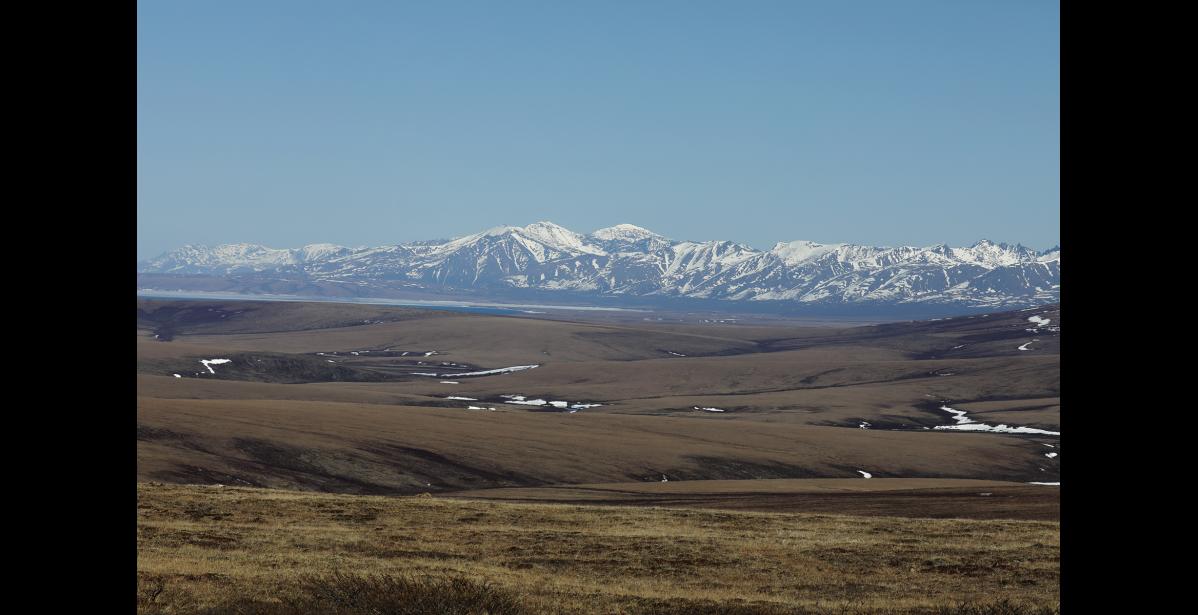
The U.S. Army Corps of Engineers Alaska District is pursuing a comprehensive Environmental Impact Statement review rather than an Environmental Assessment in their permitting review for the proposed Graphite One mine on the northern slopes of the Kigluaik Mountain range.
The news was announced on Thursday morning, in a joint statement from Native Village of Brevig Mission, Mary’s Igloo Traditional Council and the Native Village of Teller.
In an email reviewed by the Nome Nugget, the Corps’ project manager informed the tribes of the change from requiring the less comprehensive Environmental Assessment to a full-blown EIS.
In addition to requiring an EIS, the Corps also said it needed additional time to conclude the consultation process under the National Historic Preservation Act and that the timeline of the permitting process will need to be changed.
Graphite One LLC, a Canadian exploration company aiming to become a producer of graphite, proposes to mine at Graphite Creek in the northern Kigluaik Mountains and near Imuruk Basin. The plan is to build a 1.1-mile long mine pit, a mill complex and 17-mile long access road through Mosquito Pass. In a press release, Graphite One expressed support for the EIS process as the best option to permit the project. “Graphite One concurs with this determination and reiterates its commitment to a public comment process that ensures that all voices are heard and that stakeholder concerns are comprehensively addressed,” the press release reads.” The Company has been conducting all permitting work at the level required for an EIS from the outset and has maintained a startup schedule structured to allow for the timely completion of an EIS.”
In March 2025, President Donald Trump issued an executive order on immediate measures to increase American mineral production, to boost critical mineral production and to streamline permitting. Graphite One was included in a fast-tracked process called FAST-41 and a timeline on the permitting dashboard showed the objective to have the project fully permitted by late summer 2026. According to the Corps’ email to the tribes, the timeline of permitting needs to be adjusted. An EIS is a comprehensive review, based on studies to provide data to the Corps on potential direct, indirect and cumulative impacts of the proposed mine. Environmental Impact Statements also require extensive public reviews and comment periods.
Graphite One however does not expect a delay in the timeline to permit and build the project. “Graphite One anticipates that the EIS schedule will align with State of Alaska permitting requirements and does not expect any delay to the proposed 2029 production startup date for the Graphite Creek Project,” the company said. “The Company appreciates the continued support of both the FAST-41 program and USACE in facilitating the completion of the EIS on schedule while thoroughly addressing all comments and concerns associated with the project.”
“We fully support the Army Corps’ recommendation to conduct a comprehensive EIS review. This approach ensures transparency and provides the opportunity for all stakeholders—including local communities, Indigenous groups, and regulatory agencies—to have their voices heard and concerns addressed in a thorough manner,” said Anthony Huston, President and CEO of Graphite One. “Our team has been preparing for this level of review throughout the process, and we remain confident in our ability to deliver this critical domestic graphite supply chain project on our targeted 2029 timeline.”
The press release by the Teller, Mary’s Igloo and Brevig Mission tribes states that they and their partner organizations have consistently called for adequate environmental and cultural impact analysis as part of Graphite One’s permitting process conducted by the Corps, due to potential impacts on community health, subsistence, water and cultural resources.
The Army Corps of Engineers earlier this year conducted public meetings in Nome, Teller and Brevig Mission. Teller and Brevig requested that Graphite One representatives not be present at those meetings.
Kacey Okbaok, President of the Native Village of Teller Traditional Council referred to those meetings. “The public meetings last spring in Teller and Brevig Mission as well as Nome were packed and not a single person at those meetings spoke up in favor of the mine,” she said in the tribes’ press release. “During these meetings we attempted to convey to the Army Corp of Engineers how critical the subsistence and Cultural resources are to our communities. We thank all of the tribes, tribal organizations and community members who have stood with us to obtain adequate analysis of the impacts of this proposed mine.”
In March of this year Graphite One released an Environmental Evaluation Document that was to satisfy much of the studies needed for an Environmental Assessment. The decision to prepare an EIS is made based on whether the action would or could result in significant impacts to the human environment, according to the Corps’ website.
The Corps’ Alaska District's project manager and public information officer could not be reached for comment as of Thursday afternoon.